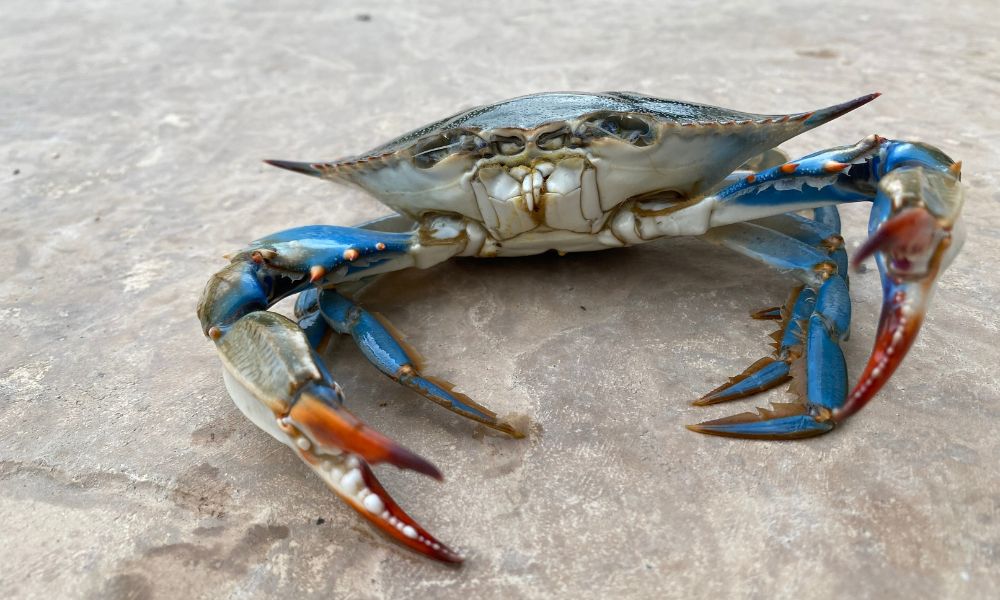
Baltimore, Maryland, holds a strong reputation as the “Crab Capital of the East Coast.” This title is deeply connected to the Chesapeake Bay, which is home to the Maryland blue crab, one of the most valuable seafood species in the United States. The city’s economy, cuisine, and culture have long revolved around crabbing and seafood dining crab in Baltimore. From the harbor docks to family-run crab houses, Baltimore’s link to blue crabs remains an essential part of its regional identity and economic sustainability.
The Chesapeake Bay and Its Blue Crabs
The Chesapeake Bay is the largest estuary in the United States, covering more than 64,000 square miles across Maryland and Virginia. Its mix of fresh and saltwater creates the perfect habitat for Callinectes sapidus, commonly known as the Maryland blue crab. This species thrives in the bay’s nutrient-rich environment, which supports the crab’s growth and unique sweet flavor.
The Maryland Department of Natural Resources estimates that hundreds of millions of blue crabs inhabit the Chesapeake Bay each year. The bay’s watermen harvest crabs during the peak season from April through November. This steady supply has positioned Baltimore as the main hub for crab processing, trade, and dining on the East Coast.
Economic Importance of the Blue Crab Industry
The blue crab industry contributes significantly to Maryland’s economy. According to state data, commercial crabbing generates tens of millions of dollars annually and supports thousands of local jobs. Baltimore’s waterfront businesses, including seafood processors, markets, and restaurants, rely heavily on crab harvests.
The city also plays a central role in crab distribution. Processed crab meat, crab cakes, and frozen crab products from Baltimore are shipped nationwide. The strong demand for Maryland blue crab has led to the development of sustainable harvesting programs to protect the crab population and ensure long-term economic stability.
Culinary Traditions Rooted in Crabs
Crabs are more than a food source in Baltimore—they represent tradition. Local dining revolves around crab dishes such as steamed crabs, crab cakes, and Maryland crab soup. The practice of steaming crabs with Old Bay seasoning is one of the city’s most recognizable cooking methods. Old Bay, a blend of celery salt, paprika, and black pepper, was created in Maryland in 1939 and remains an essential ingredient in regional cuisine.
Steamed crabs are typically served whole, accompanied by wooden mallets and paper-covered tables. This communal style of eating has become a hallmark of Baltimore culture. Restaurants and crab houses throughout the city specialize in serving freshly caught crabs from Chesapeake Bay, maintaining authenticity and quality.
Baltimore’s Famous Crab Houses
Baltimore’s dining scene includes some of the oldest and most respected crab houses on the East Coast. Establishments such as Jimmy’s Famous Seafood, LP Steamers, Costas Inn, and Phillips Seafood have become landmarks. Each restaurant uses locally sourced crabs and traditional preparation techniques that emphasize freshness and natural flavor.
Many of these crab houses have operated for several decades, preserving the city’s seafood heritage. They also play a role in supporting local fisheries and promoting Maryland crab products across the country.
The Role of Sustainability and Conservation
Sustainability efforts have been essential in maintaining Baltimore’s crab industry. Overharvesting and environmental challenges once threatened the blue crab population in the Chesapeake Bay. In response, Maryland implemented management programs that regulate catch limits, protect breeding grounds, and monitor water quality.
These measures have helped stabilize the crab population, ensuring a continuous supply for commercial and recreational fishing. Organizations such as the Chesapeake Bay Foundation and the Maryland Department of Natural Resources continue to monitor crab stocks through annual surveys. The combination of regulation and responsible fishing practices allows Baltimore’s crab industry to thrive while preserving ecological balance.
Cultural and Tourism Impact
Crabs are a defining feature of Baltimore’s cultural identity. Annual events such as the Maryland Seafood Festival and local crab feasts attract thousands of visitors each year. These gatherings celebrate the city’s maritime history and promote local seafood industries.
Tourists visiting Baltimore often seek authentic crab dining experiences at waterfront restaurants and markets. The city’s proximity to the Chesapeake Bay ensures that most establishments serve freshly caught crabs, contributing to Baltimore’s status as a leading seafood destination on the East Coast.
The Science Behind the Blue Crab’s Unique Flavor
Maryland blue crabs are known for their sweet and tender meat. The Chesapeake Bay’s mixture of salt and fresh water, along with its abundant aquatic vegetation, contributes to the crab’s rich taste and texture. Blue crabs feed on small fish and plants, which influence the meat’s natural flavor profile.
The cooking process also affects taste. Steaming crabs instead of boiling helps retain moisture and prevents flavor loss. The combination of fresh crabs and Maryland’s traditional seasoning is what makes Baltimore’s seafood distinct from other regions.
FAQ
What makes Baltimore the Crab Capital of the East Coast?
Baltimore’s location on the Chesapeake Bay, its access to abundant blue crab populations, and its strong seafood culture make it the leading crab destination on the East Coast.
When is crab season in Baltimore?
Crab season typically runs from April through November, with peak harvest months between June and October.
Are Maryland blue crabs sustainable?
Yes. Maryland enforces strict harvesting regulations and conservation programs to protect crab populations and ensure long-term sustainability.
What is the most popular crab dish in Baltimore?
The Maryland crab cake made with jumbo lump crab meat is the city’s most famous crab dish, followed closely by steamed crabs seasoned with Old Bay.
Where can visitors enjoy authentic crab feasts in Baltimore?
Popular places include Jimmy’s Famous Seafood, Phillips Seafood, and LP Steamers, all known for serving freshly steamed crabs from Chesapeake Bay.
Conclusion
Baltimore’s reputation as the Crab Capital of the East Coast is rooted in its connection to the Chesapeake Bay and the Maryland blue crab. The city’s economy, culture, and culinary traditions revolve around this valuable resource. Through sustainable fishing, historic crab houses, and authentic dining experiences, Baltimore continues to preserve its seafood legacy. For visitors and locals alike, the city remains the best place to experience the true flavor and heritage of Maryland blue crabs.